


Categories: Books
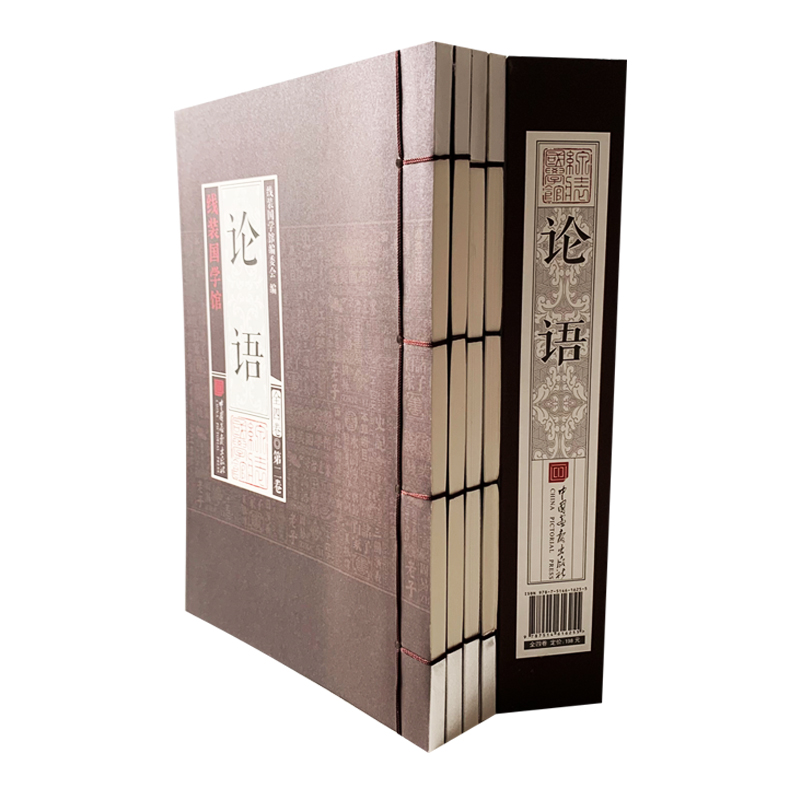
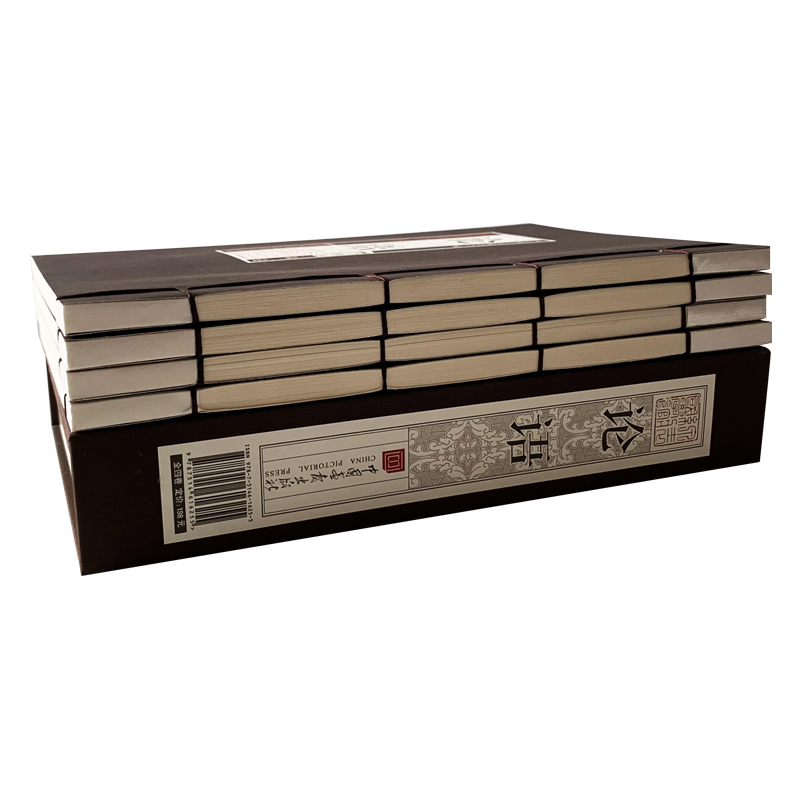
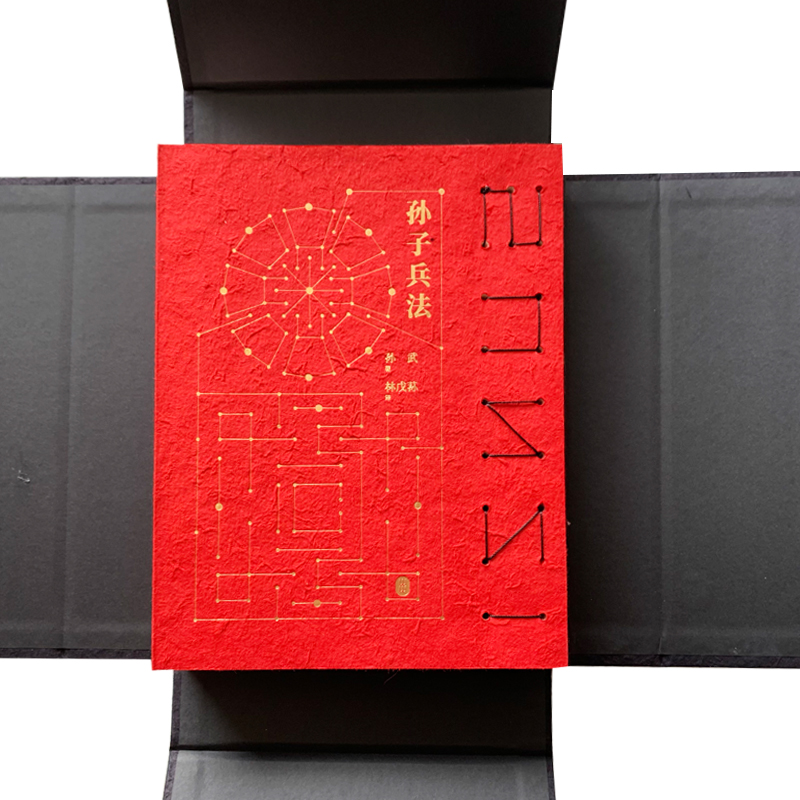
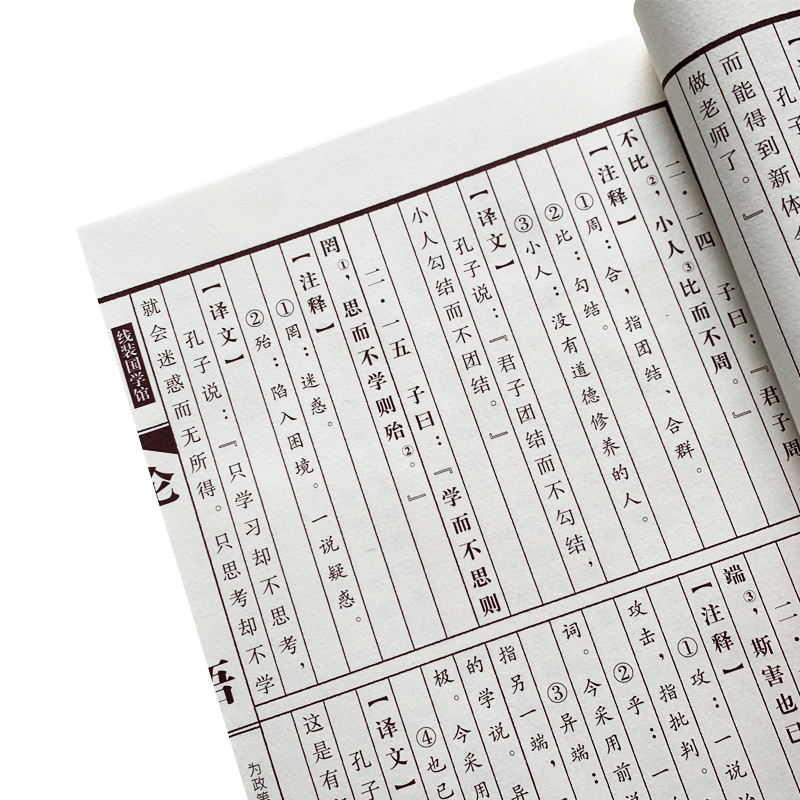
Thread-bound books are a traditional binding method in ancient times. Threads are used for binding, and the book threads will be exposed outside the book. It is an important invention of the ancient working people and an evolved form of traditional books. Thread binding first appeared in the Song Dynasty and became popular in the Ming Dynasty. When it was popular, it was closely related to the development of culture and printing technology at that time, and at the same time provided a foundation for printing technology. It was included in the national intangible cultural heritage list in 2008 and has a good collection value.
Many users especially like thread-bound books. When they hold them in their hands, they feel like they have traveled back to ancient times. In fact, it also has the following characteristics when used:
Good reading experience: It can be easily spread out and opened, which is convenient for flipping and viewing the content, and it will not be as tense as hardcover books;
Firm and durable: The pages are firmly connected together. As long as the binding line is not damaged, the pages will not fall apart. After long-term reading, the pages will turn yellow and incomplete, and the binding line will still be very strong.
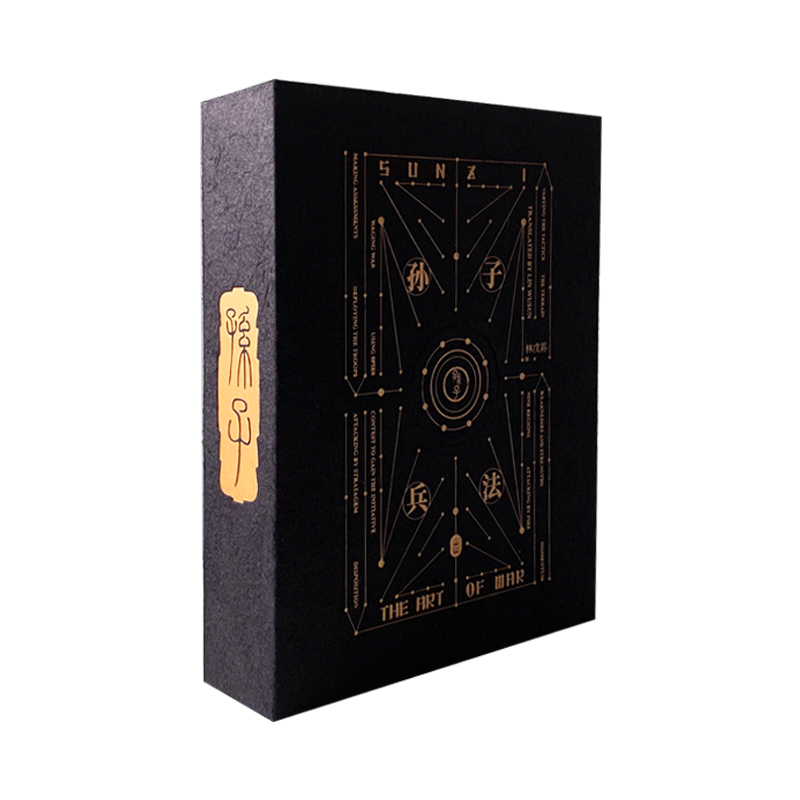
Cultural atmosphere: Printing is done on rice paper, and the cover is mostly navy blue, with vertical title labels, conveying an antique, rich and elegant cultural atmosphere, and has a strong artistic charm.
No wonder many traditional cultural books choose thread-bound books, which carry cultural connotations and are of great significance to the inheritance and promotion of traditional culture.
The production process of thread-bound books is relatively complicated, and it is the fine operation of each step that has such performance characteristics:
Preliminary preparation: prepare rice paper for printing, silk and hemp as binding lines, and make fabric, cardboard, paste, brush, awl, needle, scissors and other tools for the cover; determine the content of the book, design and layout, and choose high-quality printing.
Page processing: folding, matching, checking, flattening, for subsequent binding.
Binding: aligning columns, punching and nailing, gluing covers, matching books, cutting books, wrapping corners, double-mouthing, punching and threading, gluing signature strips;
Post-processing: conduct a comprehensive inspection of the finished thread-bound books to check whether the binding is firm and whether the pages are damaged or stained. If there are any problems, further sorting and repair are required.


Copyright © 2026 Hebei Yuyun Printing Co., Ltd. All Rights Reserved. privacy policy


